


Now Reading: Indigenous Filmmakers Celebrate Cultural Identity and Storytelling at Chickasaw Film Festival
-
01
Indigenous Filmmakers Celebrate Cultural Identity and Storytelling at Chickasaw Film Festival
Indigenous Filmmakers Celebrate Cultural Identity and Storytelling at Chickasaw Film Festival

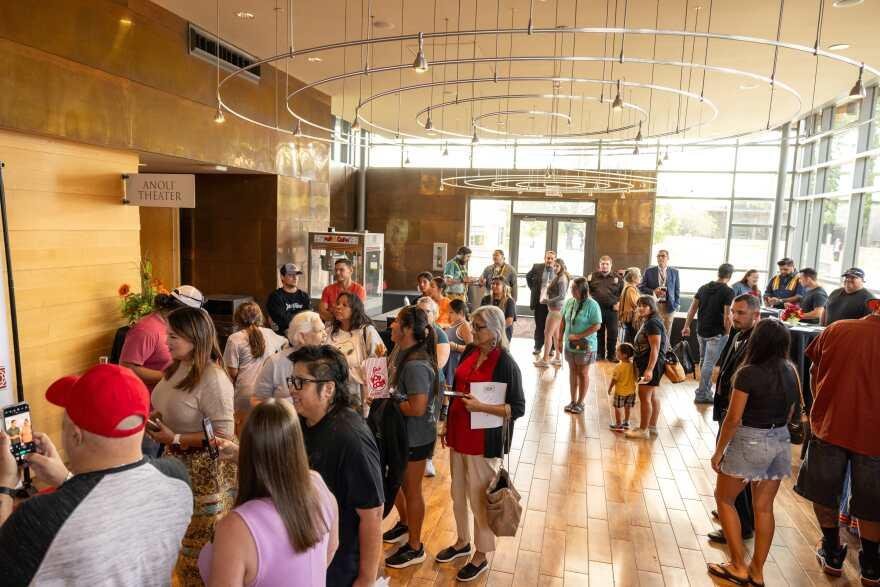
The 2026 Holba' Pisachi' Native Film Festival celebrated Indigenous cinema, cultural identity and First American storytelling in Oklahoma.
Sulphur, Oklahoma | September 23, 2026
Indigenous filmmakers, actors and creative professionals gathered at the Chickasaw Cultural Center in Oklahoma for the 11th annual Holba’ Pisachi’ Native Film Festival, celebrating the growing presence of First American storytelling in contemporary cinema.
Held on August 7–8, 2026, the two-day festival presented 12 films alongside filmmaker conversations, presentations and audience discussions at the Anoli’ Theater.
Under the theme “Indigenous Forces in Cinema: Empowering and Lifting Voices in Film,” the festival emphasised the importance of Indigenous communities telling their own stories and shaping how their cultures are represented on screen.
The festival’s name, Holba’ Pisachi’, means “showing pictures” in Chikashshanompa’, the Chickasaw language.
Indigenous Voices Behind and Beyond the Camera
Among the festival’s prominent guests were Comanche and Blackfeet producer Jhane Myers and Fort Peck Assiniboine and Sioux actor Amber Midthunder, whose film Prey was screened during the closing programme.
Set within an eighteenth-century Comanche community, the film provided opportunities to incorporate cultural knowledge, language and Indigenous perspectives into a major Hollywood production.
During an audience discussion, Myers reflected on the experience of integrating elements of her Comanche heritage into the film, while Midthunder highlighted the significance of portraying Indigenous characters with strength, complexity and authenticity.
Myers also presented two additional projects, the documentary Free Leonard Peltier and the short film Becoming Buffalo.
Cinema as Cultural Memory and Reconnection
Chickasaw filmmaker Blake Pickens presented Reservation Redemption, a documentary exploring Marchand “Chief” Rice’s journey of reconnecting with Indigenous culture during incarceration and helping others through cultural rehabilitation.
For Pickens, presenting the documentary within his own community made the experience particularly meaningful.
Filmmaker Mike J. Marin, of Navajo, Laguna Pueblo and Washo heritage, returned to the festival with producer Isaac Trimble to present The Smudging Revisited: 10 Years of Urban Native Horror.
Their retrospective explored a decade of Indigenous horror filmmaking and the importance of preserving community narratives through cinema.
Marin emphasised that Indigenous filmmakers are increasingly moving beyond appearing as subjects in other people’s stories to becoming the creative voices directing those narratives.
Reclaiming the Narrative Through Film
Beyond screenings, the festival created opportunities for collaboration, mentorship and professional relationships among Indigenous creatives.
As more First American filmmakers enter the industry, festivals such as Holba’ Pisachi’ offer spaces where cultural knowledge, lived experiences and contemporary artistic expression can meet.
The gathering reflected a broader transformation in Indigenous cinema: communities are increasingly asserting creative authority over how their histories, identities and futures are portrayed.
For Indigenous filmmakers, cinema is becoming more than a medium of representation. It is a means of preserving cultural memory, strengthening community connections and telling stories on their own terms.
Source : The Chikasaw Nation
Related Posts


Stay Informed With the Latest & Most Important News
Previous Post
Next Post


Advertisement