



Now Reading: Finland’s Sámi Win Landmark Recognition of Indigenous Rights Through International Law
-
01
Finland’s Sámi Win Landmark Recognition of Indigenous Rights Through International Law
Finland’s Sámi Win Landmark Recognition of Indigenous Rights Through International Law

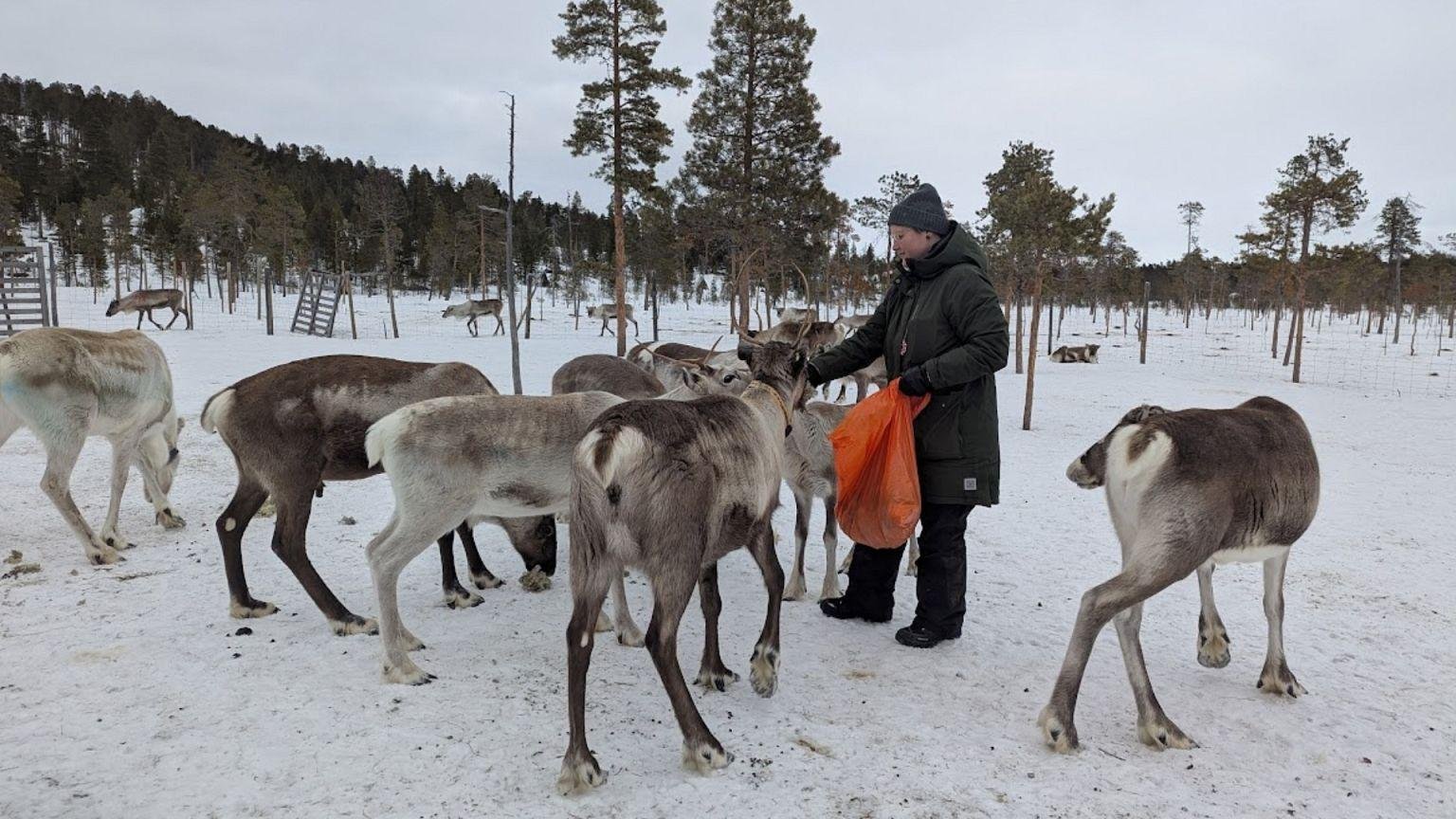
Finland's Sámi people secure historic legal recognition of Indigenous rights, protecting cultural traditions, ancestral lands and self-determination.
After decades of advocacy, Sámi communities have secured significant legal recognition of their cultural rights, strengthening their struggle to protect ancestral lands, traditional livelihoods and self-determination.
Inari, Finland: For the Sámi people of northern Europe, fishing, reindeer herding and traditional knowledge are more than economic activities. They are living expressions of cultural identity, connecting generations to the lands and waters of their ancestors.
Across northern Finland, these relationships face growing pressure from climate change, mining exploration, forestry, tourism and infrastructure development. In response, Sámi communities have turned to international human rights law to defend their cultural survival and right to self-determination.
International Law Recognises Sámi Cultural Rights
In October 2024, United Nations human rights committees found that Finland had violated Sámi rights by permitting mineral exploration activities on traditional territories without adequate impact assessments or obtaining the communities’ free, prior and informed consent.
The UN Committee on Economic, Social and Cultural Rights recognised that protecting traditional livelihoods is inseparable from protecting Indigenous cultural rights.
The findings required Finland to address the violations and prevent similar circumstances in the future, reinforcing the importance of Indigenous participation in decisions affecting ancestral territories.
A Historic Victory for Sámi Self-Determination
Years of Sámi advocacy and international scrutiny contributed to another significant development in June 2025, when Finland’s Parliament approved amendments to the Sámi Parliament Act by 150 votes to 27.
The reform strengthened Sámi self-determination, particularly concerning eligibility to vote and stand for election to the Sámi Parliament.
Pirita Näkkäläjärvi, President of the Sámi Parliament in Finland, described the decision as a historic achievement following nearly three decades of efforts to reform the legislation.
The changes marked an important step towards recognising the Sámi people’s authority over their political representation and cultural identity. The Sámi Parliament of Finland+1
Protecting Culture Means Protecting Land
For Sámi communities, traditional livelihoods remain deeply connected to cultural continuity.
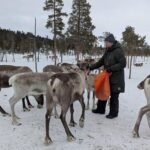
Reindeer herding carries generations of ecological knowledge, while fishing sustains relationships between families, waterways and ancestral territories.
However, changing Arctic conditions and competing demands on natural resources threaten these practices.
Sámi leaders have emphasised that cultural survival depends on meaningful authority over decisions affecting traditional lands and waters.
International legal recognition has provided communities with mechanisms to challenge development activities that could undermine their rights.
The 2025 legislative reforms also strengthened requirements for cooperation and negotiation with the Sámi Parliament on matters affecting Indigenous culture, land use and livelihoods. The Sámi Parliament of Finland+1
A Lesson for Indigenous Communities Worldwide
The Sámi experience demonstrates how international human rights mechanisms can support Indigenous communities seeking recognition of their collective rights.
Although legal reforms cannot eliminate environmental threats or guarantee cultural survival, they can strengthen communities’ ability to participate in decisions shaping their futures.
For the Sámi, the struggle has never been solely about preserving traditions from the past.
It is about ensuring that future generations retain the right to live, practise and transmit their culture on the lands that have sustained their people for centuries.
Source : euronews
Stay Informed With the Latest & Most Important News
Previous Post
Next Post



Advertisement