


Now Reading: TribalFutures 3.0 Challenges Stereotypes with 30 Days of Indigenous Knowledge and Imagination
-
01
TribalFutures 3.0 Challenges Stereotypes with 30 Days of Indigenous Knowledge and Imagination
TribalFutures 3.0 Challenges Stereotypes with 30 Days of Indigenous Knowledge and Imagination

The international Indigenous knowledge festival began its first sessions with Chhara theatre activist Atish Indrekar Chhara and Lepcha artist Alyen Leeachum Foning, exploring community storytelling, ancestral memory and cultural expression.
India, November 4, 2026: The third edition of TribalFutures 3.0, an international festival of Tribal and Indigenous knowledge organised by the Tribal Design Forum (TDF), began its speaker sessions on November 2 with conversations exploring cultural identity, community narratives and Indigenous creative practices.
The month-long online festival, scheduled from November 1 to 30, 2026, features approximately 60 sessions with speakers based in 12 countries. The programme brings together Indigenous designers, artists, researchers, educators and knowledge practitioners to explore contemporary perspectives on art, design, language, film, ecology, architecture and technology. IssueWire+1
Reclaiming Identity Through Theatre
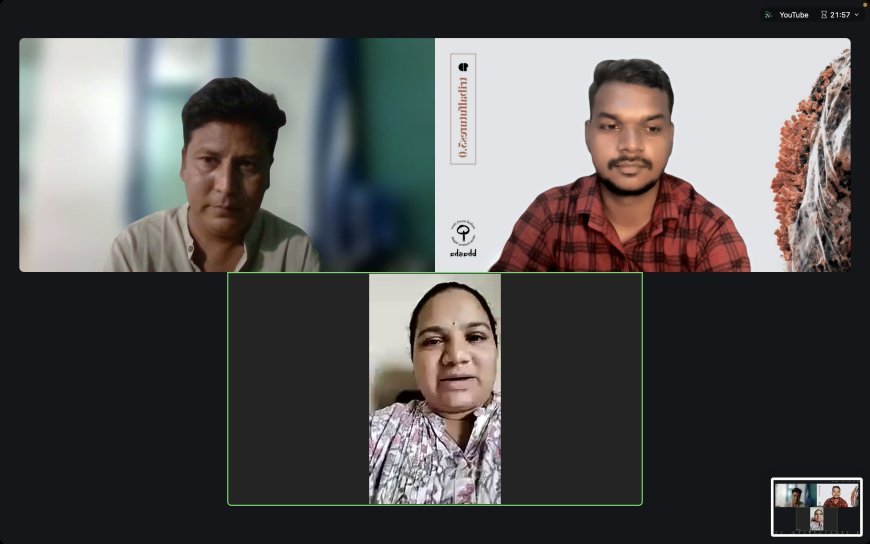
The opening session, Taking Back the Stage, featured Atish Indrekar Chhara, an actor, theatre director and cultural activist from Chharanagar, Gujarat.
Atish discussed how theatre has helped members of the Chhara community challenge historical discrimination and reclaim control over their public narratives.
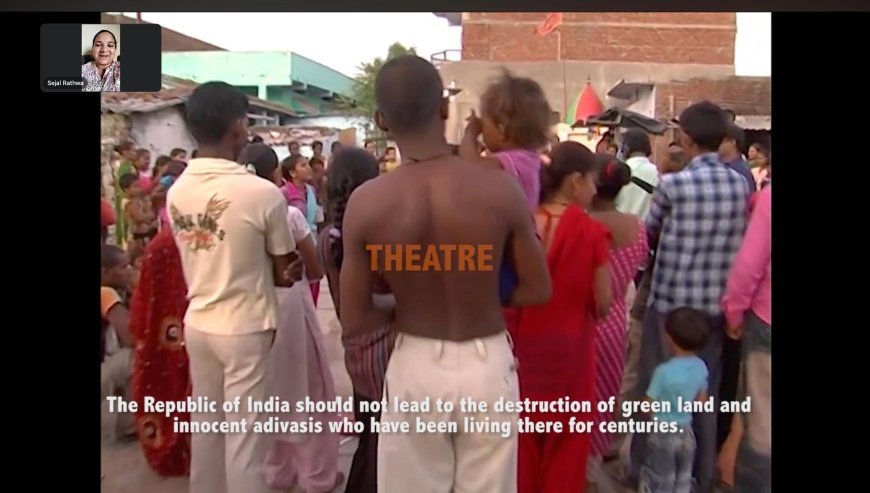
The Chhara community, historically classified under colonial criminalisation policies, continues to confront social prejudice and stereotypes. Through initiatives such as Budhan Theatre, community members have used performance to question these representations and communicate their lived experiences.
Atish, founder of Vimukta Trust and director of the Budhan Video Podcast, also highlighted the importance of creating opportunities for Denotified and Nomadic communities in education, filmmaking and cultural expression.
The discussion was moderated by Sejal Rathwa and Shyam Murmu, members of the Tribal Design Forum.
Connecting with Ancestors Through Indigenous Art
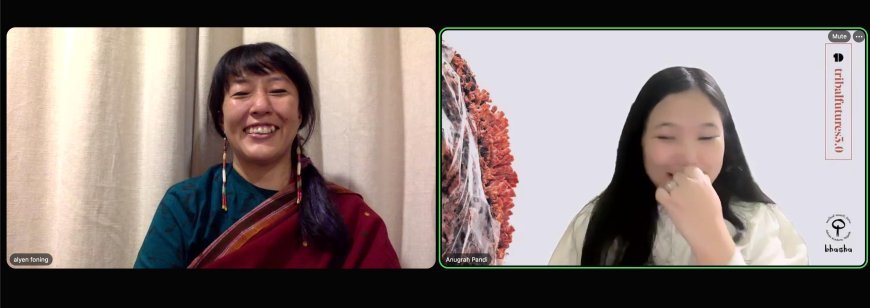
The second session featured Lepcha artist and designer Alyen Leeachum Fonning, whose creative practice explores ancestral relationships, folklore and cultural memory.
Through her project The Story of the Muun, Fonning presented an artistic interpretation of Lepcha traditions using textiles, mixed-media techniques and repurposed materials.
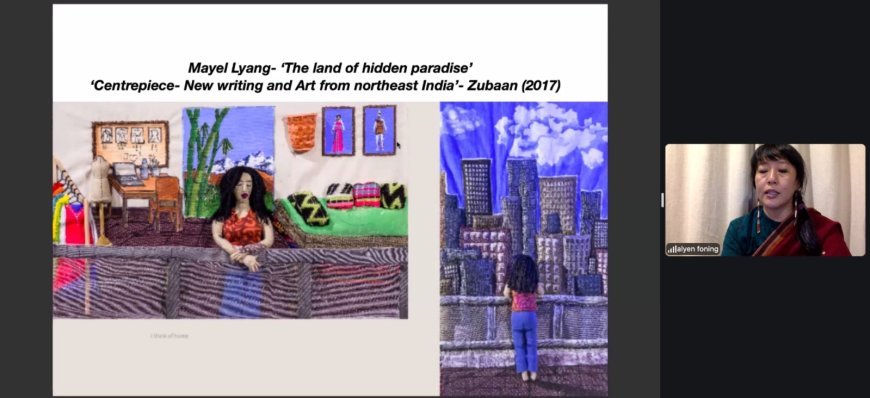
Her work examines how contemporary artistic expression can maintain connections with inherited knowledge while creating new forms of Indigenous storytelling.
The session, moderated by Dr Anugrah Pandi, highlighted the relationship between cultural identity, artistic experimentation and ancestral knowledge.
A Global Platform for Indigenous Knowledge
First organised in 2024, TribalFutures has grown into an international platform connecting Indigenous creative professionals and knowledge practitioners.
This year’s festival includes participants from India, Australia, Aotearoa New Zealand, Indonesia, Malaysia, Peru, Bolivia, Colombia, the United States, Canada, France and the United Arab Emirates.
Unlike festivals centred primarily on cultural performances, TribalFutures emphasises Indigenous intellectual traditions, creative innovation and contemporary knowledge systems.
The opening sessions demonstrated how theatre and visual art can help communities preserve cultural memory while challenging narratives imposed upon them.
At its core, TribalFutures 3.0 offers a space where Indigenous peoples are not merely subjects of cultural discussions, but the thinkers, creators and storytellers shaping conversations about their own futures. This year the Adivasi Academy and Bhasha, Green Hub and Dakti Craft are among collaborators in this virtual Fest. Everyday there are two sessions till Nov 30, the sessions are livestreamed on official Youtube channel of Tribal Design Forum.
For upcoming sessions and participation details, visit tribalfutures.in
Related Posts
Stay Informed With the Latest & Most Important News


Advertisement