

Now Reading: Day 7 of TribalFutures 3.0: Lalita Asaram Bethekar and the Democracy That Must Travel to Delhi
-
01
Day 7 of TribalFutures 3.0: Lalita Asaram Bethekar and the Democracy That Must Travel to Delhi
Day 7 of TribalFutures 3.0: Lalita Asaram Bethekar and the Democracy That Must Travel to Delhi

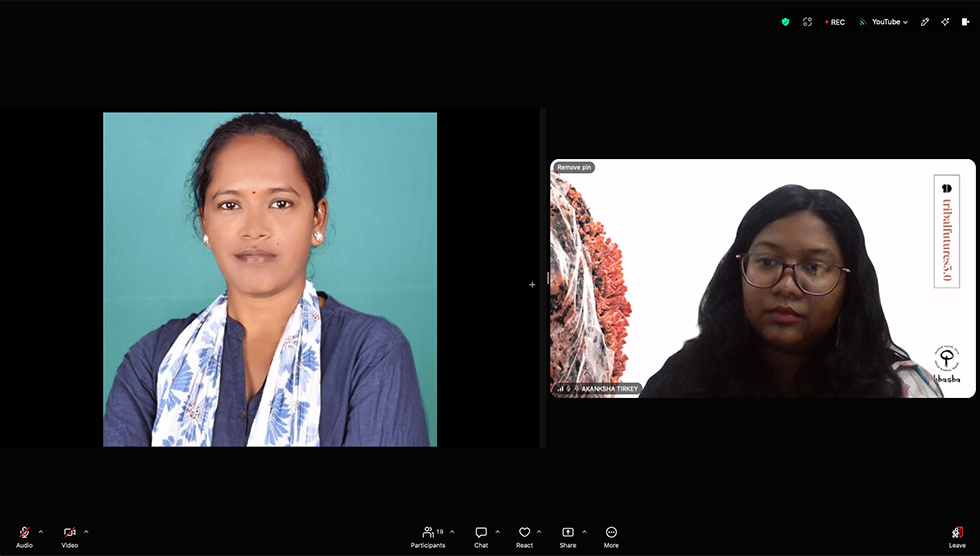
Why must an Adivasi Sarpanch travel to Delhi to secure basic village infrastructure? At TribalFutures 3.0, Korku leader Lalita Asaram Bethekar reveals the struggles behind women's political leadership, food security, forest rights and grassroots democracy in Melghat, Maharashtra.
From demanding food rations for remote villages to confronting political pressure, a Korku woman Sarpanch from Melghat questions what grassroots democracy means when essential decisions remain beyond local control.
India has Panchayati Raj institutions, elected village representatives and elaborate development schemes. Yet in Melghat, Maharashtra, a village leader described having to travel to the national capital to raise concerns about roads and electricity that had remained unresolved for years.
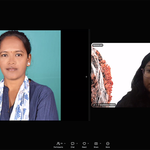
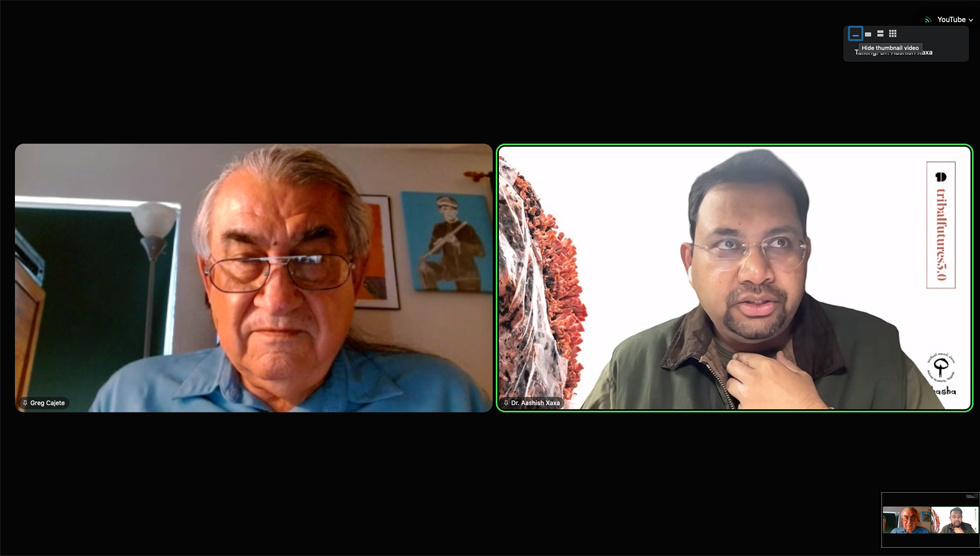
At TribalFutures 3.0 on Day 7, Afternoon Session, Korku Tribal community leader Lalita Asaram Bethekar, Sarpanch of Katkumbh Gram Panchayat, shared her experiences in a conversation hosted by Akanksha Tirkey of the Tribal Design Forum.
Her account raised an uncomfortable question: if democracy begins in the village, why must its demands travel so far to be heard?
When Women Had to Block a Road for Food
Bethekar recalled how families in remote hamlets travelled several kilometres to collect government food rations. Elderly residents caring for children were particularly disadvantaged when younger family members migrated for employment.
After repeated appeals went unanswered, she organised women to stage a peaceful road blockade.
Despite police warnings, the women persisted. According to Bethekar, authorities subsequently agreed to distribute rations across the affected villages.
The episode illustrated how collective action could turn awareness of entitlements into public accountability.
Malnutrition Is Not Just a Health Statistic
Bethekar connected persistent malnutrition in Melghat with insecure livelihoods, limited agricultural opportunities, seasonal migration and inadequate access to healthcare.
She questioned what happens to undernourished children after they leave Anganwadi monitoring and enter school.
Her account challenges development systems that divide interconnected problems into separate administrative categories. Food security cannot be detached from employment, education or public health.
Can Forest Rights Bring Back Cultural Knowledge?
Responding to an audience question about migration and cultural loss, Bethekar explained how extended absences from villages interrupt the transmission of knowledge between generations.
She described Korku traditions associated with forests and coexistence with wildlife, including Bagdev worship.
Her examples of villages restoring degraded land through Community Forest Rights revealed another possibility: forest governance can strengthen livelihoods while creating conditions for cultural continuity.
Conservation, in this account, is not necessarily separate from community life.
Why Must a Sarpanch Reach the President?
When asked about her meeting with President Droupadi Murmu, Bethekar recounted raising long-pending road and electricity concerns affecting villages around Melghat’s tiger reserve.
She said solar infrastructure and other electricity-related work progressed afterwards, but questioned why local authorities had not resolved these issues earlier.
Her experience points to a larger democratic challenge: elected community representatives must possess not only responsibilities but meaningful institutional support.
That question reflects the purpose of TribalFutures, a distinctive month-long international initiative organised by Tribal Design Forum since 2024. Through voluntarily shared experiences and knowledge, Indigenous leaders, thinkers, artists and practitioners explore how communities can shape their own futures.
Session Details
- Session: Day 7, Morning Session
- Date: November 7, 2026
- Speaker: Lalita Asaram Bethekar, Korku community, Sarpanch, Katkumbh Gram Panchayat, Melghat, Maharashtra
- Host: Akanksha Tirkey
- Organiser: Tribal Design Forum
This article is based on insights provided by Shyam Murmu, Media Coordinator at Tribal Design Forum. He can be reached at shyam@tribaldesignforum.com.
Related Posts
Stay Informed With the Latest & Most Important News
Previous Post
Next Post


Advertisement