

Now Reading: Day 7 of TribalFutures 3.0: Gregory Cajete Asks Why Universities Must Validate Indigenous Knowledge
-
01
Day 7 of TribalFutures 3.0: Gregory Cajete Asks Why Universities Must Validate Indigenous Knowledge
Day 7 of TribalFutures 3.0: Gregory Cajete Asks Why Universities Must Validate Indigenous Knowledge

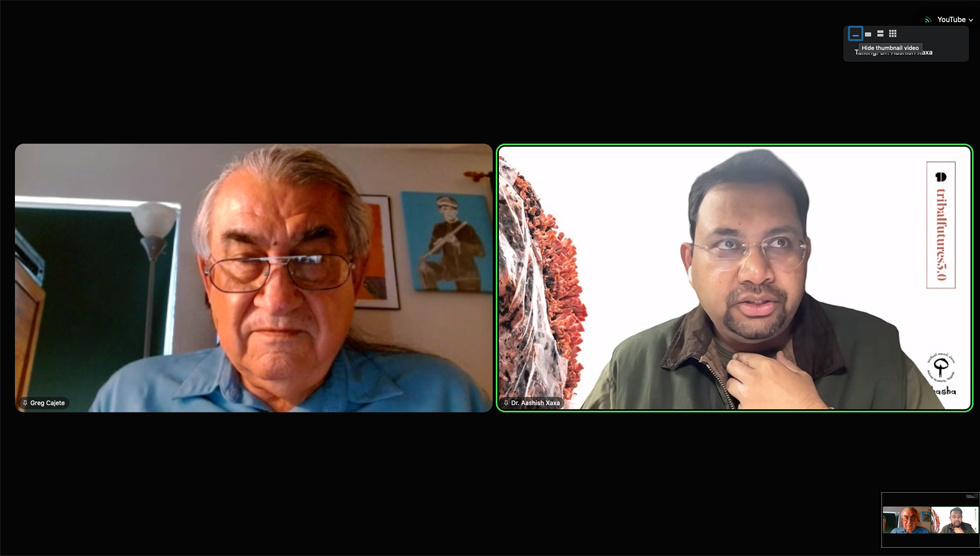
Who decides what counts as knowledge? At TribalFutures 3.0, Indigenous scholar Professor Gregory Cajete challenged conventional education systems, exploring Indigenous science, community knowledge and the need to recognise forests, elders and communities as living spaces of learning.
What happens when the communities that generate knowledge are treated as research subjects rather than intellectual authorities?
Universities have spent generations studying Indigenous communities. Their knowledge has filled libraries, research journals and academic careers. Yet a fundamental question remains: when will these communities be recognised as equal partners in determining what knowledge is and how it should be taught ?
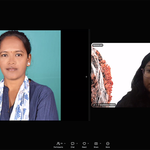
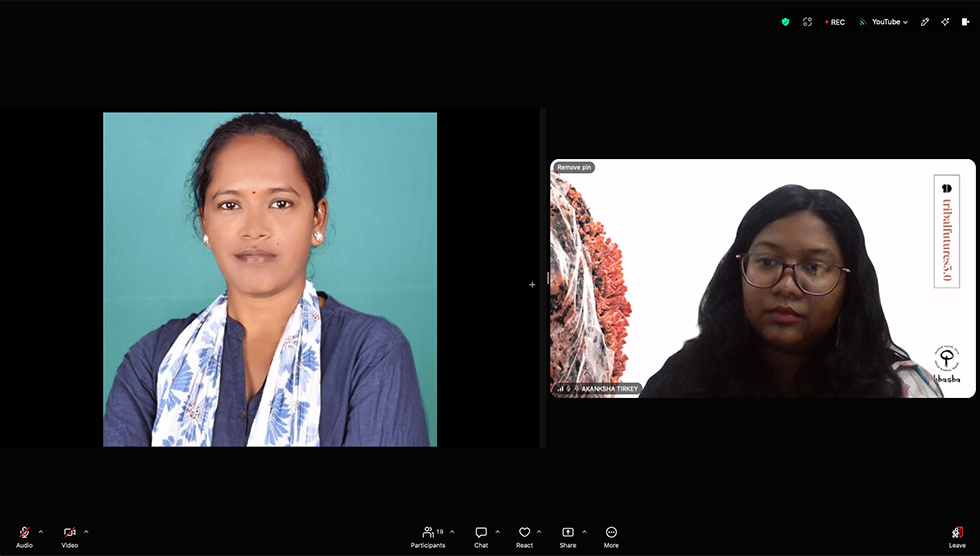
At the 2nd Session of seventh day of TribalFutures 3.0, Tewa scholar Professor Gregory Cajete challenged conventional understandings of education in a conversation hosted by Dr Ashish Xaxa of the Tribal Design Forum.
Who Decides What Counts as Knowledge?
Drawing on over five decades of educational practice, Cajete described Indigenous science as a living intellectual tradition grounded in observation, relationships, creativity and participation in the natural world.
His teaching at the Institute of American Indian Arts brought biology into conversation with Indigenous stories, ecology, art and theatre.
The underlying argument was significant: Indigenous students need not abandon their cultural understanding to become scientists.
Beyond Preserving Knowledge: Who Creates the Future?
One of the discussion’s most consequential questions challenged the familiar language of preservation. Why does the conversation so often revolve around protecting Indigenous knowledge rather than creating new knowledge?
Cajete emphasised that Indigenous thinking must find contemporary expression. Students should not merely inherit knowledge but reinterpret and develop it through creative practice.
For Tribal Design Forum, this distinction speaks directly to the purpose of TribalFutures: Indigenous communities are not simply custodians of yesterday. They are thinkers and creators of tomorrow.
Can Universities Return to the Forest?
A question raised during the discussion asked whether academia could return to forests, communities and elders, where Indigenous knowledge has long been cultivated.
Cajete’s response exposed a persistent imbalance. Universities have historically conducted research on Indigenous communities largely on institutional terms, while reciprocal benefits and community authority have often remained inadequate.
He advocated partnerships in which communities participate as equals, research findings return in accessible forms, and Indigenous people can access knowledge held in academic libraries and museums.
The question is no longer merely whether universities should study Indigenous knowledge, but whether they are prepared to share intellectual authority.
Can Teachers Learn Before They Teach?
Responding to questions about teacher education, Cajete called for humility, community engagement and creative curriculum development.
Teachers working with Indigenous communities, he argued, must become researchers and learners themselves. Conversations with elders, knowledge holders and community members are not supplementary activities; they can be foundational to meaningful education.
Indigenous Futures Cannot Wait for Institutional Permission
Cajete warned that institutional reform often moves slowly. Rather than waiting indefinitely, he encouraged community-led education and alternative learning pathways.
This conversation captures the larger ambition of TribalFutures: moving beyond the celebration of Indigenous culture towards recognising Indigenous intellectual agency.
Organised by the Tribal Design Forum since 2024, TribalFutures is a distinctive month-long international initiative where Indigenous scholars, artists, designers and knowledge practitioners voluntarily share their work and imagine futures shaped by their communities. Its third edition runs throughout November 2026.
Session Details
- Session: Day 7, Evening Session
- Date: November 7, 2026
- Speaker: Professor Gregory Cajete
- Host: Dr Ashish Xaxa
- Organiser: Tribal Design Forum
Related Posts
Stay Informed With the Latest & Most Important News


Advertisement